About one in four adults over 65 falls each year, and falls are the leading cause of injury death in that age group. The single most effective prevention is not a grab rail — it is strength and balance exercise. Home modifications, a medication review, and a vision check all help substantially, but muscle and balance are what stop the fall happening.
The other thing worth saying plainly: a fall is a medical event, not an embarrassment. People hide falls because they fear losing independence, and hiding them is precisely what leads to losing it. Tell us.
Why falls matter more than they sound
A fall can be the hinge point of someone’s later life. A hip fracture at 80 carries serious mortality and often ends independent living. Even a fall without injury tends to produce fear of falling, which leads to less activity, which causes further loss of strength and balance — and a higher chance of the next fall. That spiral is the real danger, and it starts with one unremarkable trip.
Strength and balance: the actual prescription
Muscle mass declines from around your thirties and accelerates after 60 unless you actively resist it. The condition has a name — sarcopenia — and the treatment is resistance training. Not gentle movement: actual loading.
Aim for strength work twice a week. Standing up from a chair without using your hands, repeatedly, is a legitimate exercise. So are resistance bands, light weights, wall push-ups, and heel raises. The target is that your muscles feel genuinely worked.
Balance work most days. Standing on one leg while holding a counter. Heel-to-toe walking. Shifting weight slowly side to side. Tai chi has particularly good evidence for fall reduction and is gentle on joints.
150 minutes a week of moderate activity — walking counts, and it can be broken into ten-minute pieces.
If you have not exercised in years, or have heart or lung disease, joint problems, or previous falls, come and talk to us first and we will refer you to physical therapy to start safely. A supervised programme for a few weeks is often what makes the difference between starting and abandoning.
The medication review you should ask for
This is the most under-used intervention in fall prevention, and it takes one appointment.
Several very common medications increase fall risk: sedatives and sleeping tablets, some antidepressants, antihistamines, opioids, and blood pressure medications that cause dizziness on standing. So does taking many medications at once — risk rises with the number.
Ask us for a proper review. Bring every bottle, including over-the-counter medicines and supplements, in a bag. We regularly find duplicates, drugs nobody has reassessed in years, and combinations that explain someone’s dizziness entirely. Never stop a prescribed medication on your own, but do ask whether each one is still earning its place.
Also worth checking: blood pressure sitting and then standing. A drop on standing — orthostatic hypotension — is a common, findable, treatable cause of falls, and it is often made worse by summer heat here.
The rest of the checklist
Vision. An annual eye examination. Cataracts, glaucoma, and out-of-date glasses all contribute. A specific caution: varifocal and bifocal glasses increase fall risk on stairs and uneven ground, because the lower lens blurs your feet. Many people benefit from a single-vision pair for walking outdoors.
Hearing. Hearing loss is associated with falls, and separately is the largest single modifiable risk factor for dementia in mid-life. Get it tested; use the aids if you need them.
Feet and footwear. Supportive shoes that fit, with a firm sole and a back. Not slippers, not socks on tile, not barefoot on smooth floors. Get foot pain and nail problems treated rather than accommodated.
Vitamin D and calcium, particularly if your level is low — we can test it.
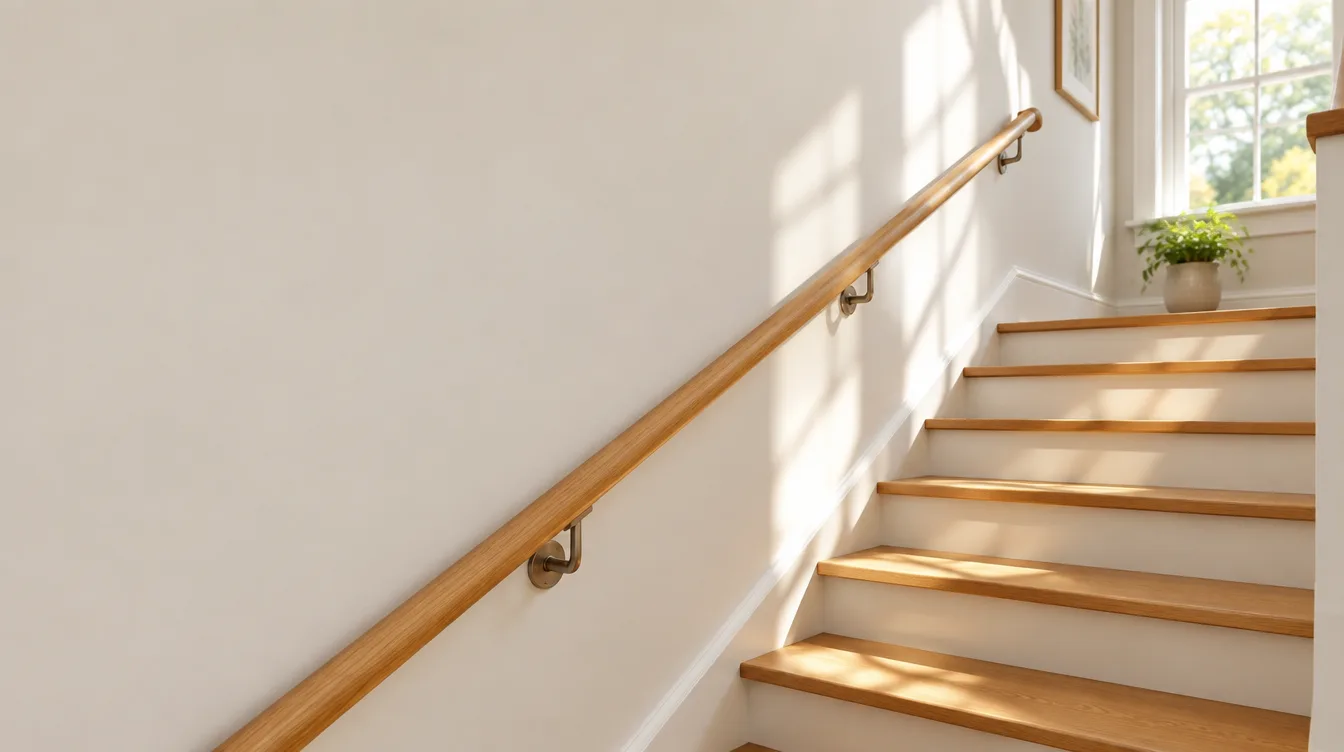
Home hazards. Remove loose rugs and clutter from walkways. Improve lighting, especially on stairs and the route to the bathroom at night. Grab bars in the shower and by the toilet, a non-slip mat, and a raised toilet seat if needed. Handrails on both sides of any stairs. Frequently used items within easy reach so nothing requires a step stool. Consider a nightlight, and keep a phone reachable from the floor.
Alcohol, which affects balance more with age than it did at 40.
Ageing well beyond falls
Falls are one thread. The rest of the picture matters as much:
Stay socially connected. Isolation and loneliness carry health risks comparable to well-known physical risk factors, and are associated with faster cognitive decline. This is not sentimentality — it is a risk factor with a straightforward intervention.
Protect your brain. Manage blood pressure, treat hearing loss, stay physically and mentally active, sleep properly, and keep learning. See brain health and dementia risk.
Sleep seven to nine hours. Sleep changes with age, but persistent insomnia is treatable and sleeping tablets are usually the wrong answer.
Eat enough protein. Older adults often under-eat protein, which directly undermines any strength work. Spread it across meals rather than loading it into dinner.
Keep your vaccinations current — influenza, shingles, pneumococcal, RSV, and Tdap. Age is the biggest risk factor for severe outcomes.
Stay in the sun sensibly but do not hide indoors all summer. Which brings us to the local problem.
Arizona, specifically
Summer removes outdoor walking for months, and that is precisely when people lose conditioning. Plan for it rather than letting it happen: indoor strength work, mall walking, or the single best option here — water exercise, which is available most of the year, gentle on arthritic joints, and genuinely effective for strength and balance.
Dehydration causes dizziness and falls. Older adults feel thirst less reliably, and many take diuretics. Drink on a schedule, not on sensation. See signs of dehydration.
Heat and blood pressure medication interact — pressure can drop too low in summer, causing exactly the lightheadedness that precedes a fall. Another reason for that medication review before summer.
Pool safety. Hard surfaces, wet tile, and no handrail. Worth a look at your own pool deck.
If someone falls
Do not rush to lift them. Ask whether they have pain — particularly in the hip, back, head, or neck. If there is severe pain, an obvious deformity, any head injury, or they are on a blood thinner, call 911 and do not move them.
Come to our Emergency Room after any fall involving a head strike, any fall in someone on anticoagulants, hip or back pain, inability to bear weight, or a fall nobody witnessed and cannot be explained. An unexplained fall sometimes means a heart rhythm problem, a stroke, an infection, or low blood sugar — and finding that cause is as important as treating the bruise. We have CT and X-ray in the building.
Where to go
Book our Medical Clinic for a falls risk assessment, the medication review, a physical therapy referral, vitamin D testing, or a bone density scan. Call (602) 671-7981. If you have fallen in the past year — even without injury — that is the reason to book.
Our Emergency Room is open 24 hours at 9700 N. Saguaro Blvd: (602) 671-7990.
Related reading
- Sprain, Strain, or Break? Plus the Pickleball Injuries We See Most
- Brain Health: What You Can Actually Change About Dementia Risk
- Eye Health in the Desert: What to Check, and What’s an Emergency
Sources
- CDC STEADI — Older adult fall prevention
- CDC — Facts about falls
- National Institute on Aging — Exercise and physical activity
- US Preventive Services Task Force — Falls prevention in older adults