
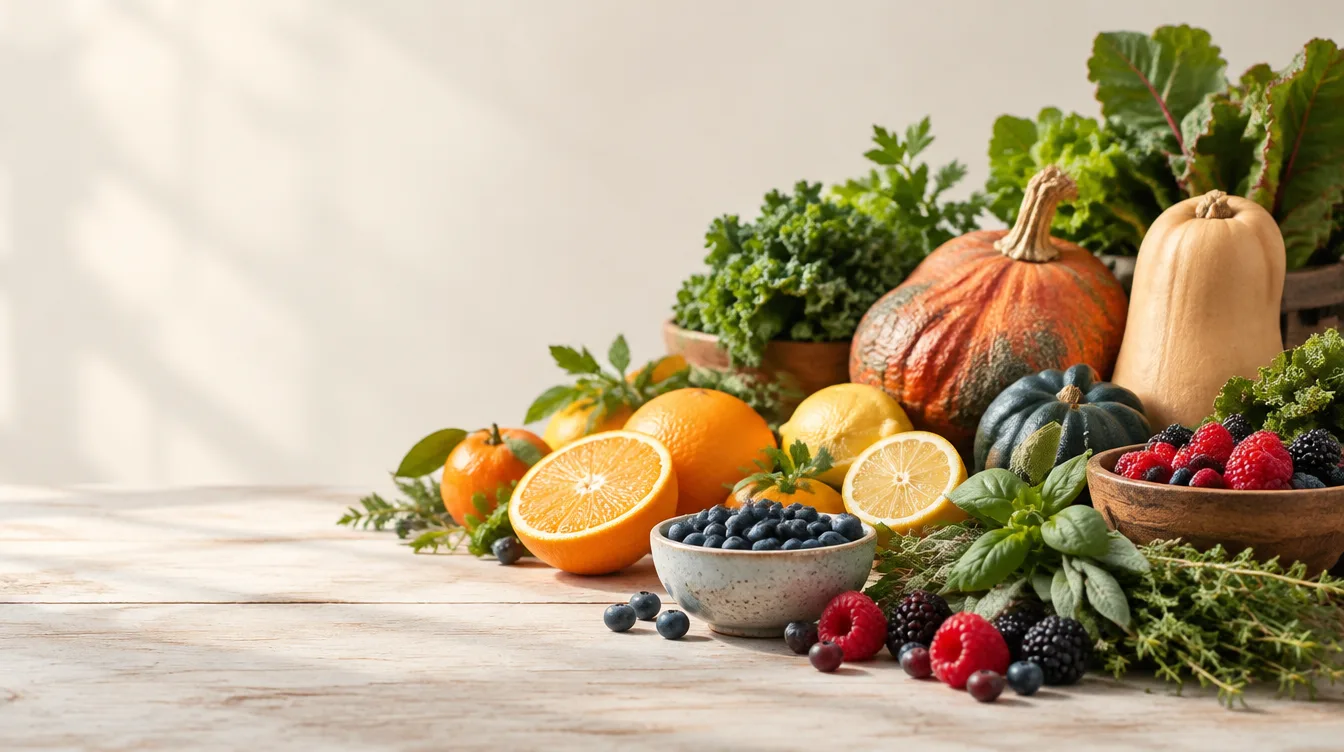
“Superfood” is a marketing term. It has no regulatory or scientific definition, no threshold to meet, and no food has ever been shown to do what the word implies. Blueberries are good for you; so are the frozen ones, and so are carrots. What actually predicts health is the overall pattern of what you eat over years — mostly plants, fish, whole grains, beans, nuts and olive oil, with less ultra-processed food and less sugary drink.
That pattern does not change much across a lifetime. What changes is a short list of specific requirements, and those are worth knowing.
What genuinely changes with age
Children and teenagers need calcium and vitamin D for bone building — the bone density you accumulate before about 30 is most of what you will ever have. Iron matters, particularly for teenage girls after periods begin. And the habits formed here tend to persist, which is why the environment at home matters more than any lecture.
Twenties and thirties are where the pattern is set. For anyone who might become pregnant, folate matters before conception, not after — which is why fortified grains and a prenatal vitamin are recommended in advance.
Forties and fifties bring a slowing metabolism and shifting body composition, and this is the decade where blood pressure, cholesterol and blood sugar start showing up in results. Sodium becomes worth attention, mostly by eating less packaged and restaurant food rather than by putting down the shaker.
Sixties and beyond is where the advice genuinely inverts, and this is the part most often got wrong:
- Protein needs go up, not down. Older adults commonly under-eat protein precisely when they need more of it to resist muscle loss, and protein without resistance exercise does little — the two work together. Spread it across meals rather than loading it all into dinner.
- Vitamin B12 absorption declines with age and with long-term use of acid-reducing medication and metformin. Deficiency causes fatigue, tingling, balance problems and memory complaints, and it is a blood test away.
- Vitamin D is commonly low even here, because sensible sun avoidance works.
- Appetite and thirst both decline, so eating and drinking become things to schedule rather than await.
- Fibre and fluid matter more as constipation becomes commoner, often medication-related.
- Taste and smell change, and reduced enjoyment of food is a real driver of under-eating in older adults.
The pattern that has actual evidence
Two named patterns have genuine trial support: Mediterranean and DASH. They overlap heavily. In practice:
- Vegetables and fruit most meals. Frozen counts, and is often cheaper and no less nutritious.
- Whole grains rather than refined.
- Beans and lentils — among the best-evidenced and least fashionable foods there are.
- Fish a couple of times a week.
- Nuts and olive oil as the default fats.
- Less ultra-processed food, less processed meat, fewer sugary drinks.
- Water as the default drink.
No supplements required for most people. If you have a documented deficiency — B12, vitamin D, iron — correct it; otherwise supplements mostly produce expensive urine, and a few (high-dose vitamin E, beta-carotene in smokers) have shown harm.
The superfood thing, properly
The word exists to raise the price of ordinary produce. Some specifics worth deflating:
No single food undoes a poor diet. A daily handful of goji berries alongside a diet of ultra-processed food changes nothing measurable.
Exotic is not better. Kale is nutritionally similar to cabbage. Quinoa is a fine grain and not a miracle. Açaí is a berry.
“Detox” is not a thing. Your liver and kidneys do it, continuously, without juice.
“Boosts your immune system” is a marketing claim, not a mechanism. An immune system that could be boosted arbitrarily would be autoimmune disease.
Antioxidant supplements have repeatedly failed in trials, despite antioxidant-rich *foods* being good for you — which tells you the benefit is in the food, not the isolated compound.
Beware anything sold with a testimonial and a monthly subscription, and be especially careful with supplements marketed for thyroid, testosterone, or weight loss: some contain undeclared active drugs.
Arizona specifics
Hydration is nutrition here. Chronic mild dehydration is genuinely common, contributes to kidney stones, and makes everything else feel worse. Drink on a schedule, not on thirst — see signs of dehydration.
Electrolytes matter in summer for anyone sweating heavily for hours — but for ordinary days, water is fine and sports drinks are mostly sugar.
Heat suppresses appetite, which is a real issue for older adults in July and August. Smaller, cooler, more frequent meals work better than insisting on three hot ones.
Kidney stones are common in Arizona. If you have had one, the dietary advice is specific to your stone type and worth getting right rather than guessing — ask us.
When to actually get nutrition advice
Some situations need individual guidance rather than an article: diabetes or prediabetes, kidney disease, heart failure, coeliac disease or inflammatory bowel disease, after bariatric surgery, during pregnancy, unintentional weight loss, a diagnosed deficiency, or a restricted diet you want to do well — a vegan diet, for instance, needs a deliberate B12 plan rather than good intentions.
We can test for the common deficiencies, review whether your medications are affecting absorption, and refer you to a registered dietitian. “Registered dietitian” is a protected, credentialed title; “nutritionist” is not — worth knowing when choosing who to take advice from.
Where to go
Book our Medical Clinic for blood work (B12, vitamin D, iron, HbA1c), a medication review, or a dietitian referral. Call (602) 671-7981.
Come to our Emergency Room — open 24 hours — for severe dehydration, an inability to keep fluids down, or severe abdominal pain: (602) 671-7990.
Related: prediabetes and diabetes · heart health · healthy ageing
Sources
- USDA / HHS — Dietary Guidelines for Americans
- NIH Office of Dietary Supplements — Vitamin B12
- Harvard T.H. Chan School of Public Health — The Nutrition Source: healthy eating plate
- National Institute on Aging — Healthy eating as you age