
Carry far more water than feels necessary — around a litre per person per hour in heat — start early, tell someone your route and expected return, set a turn-around time before you leave, and go home at the first sign of dizziness, nausea, cramping, or a headache. Most desert rescues do not involve reckless people. They involve fit, sensible people who underestimated how fast the desert takes water out of you.
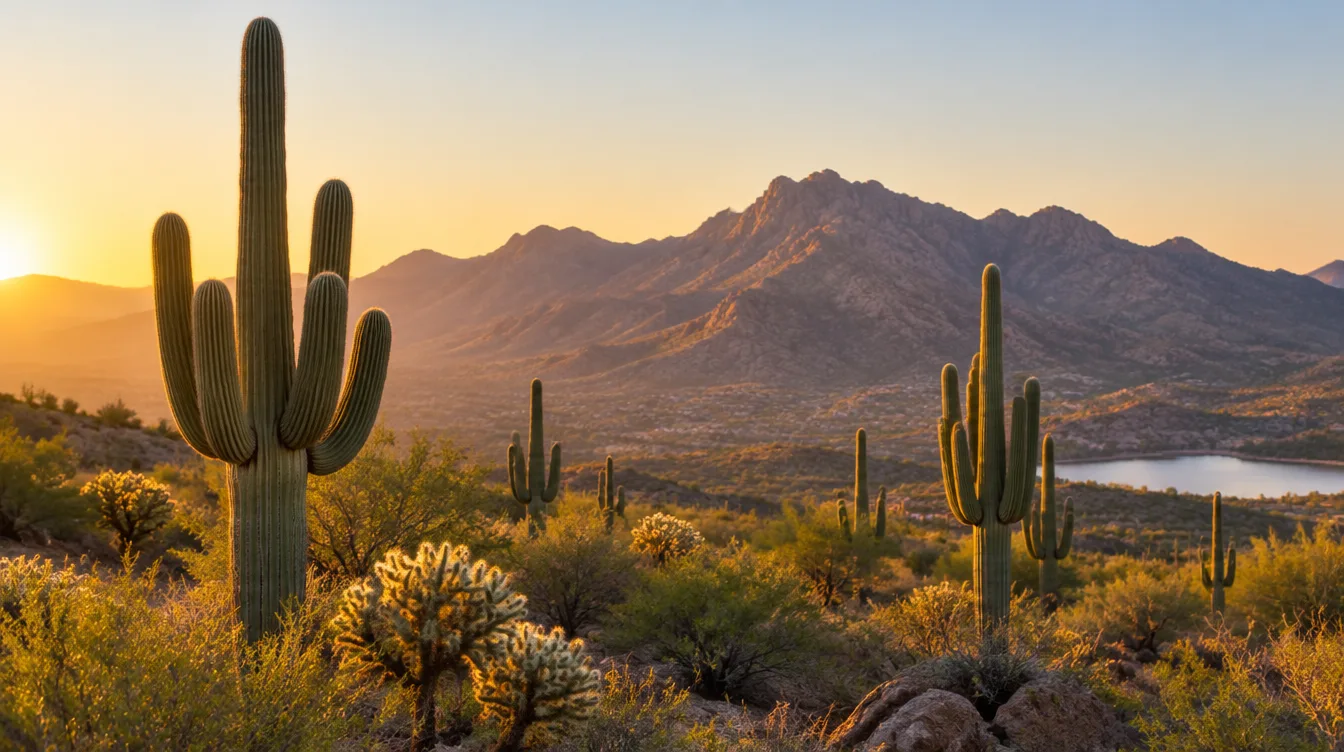
We are minutes from the McDowell Mountains, the Sonoran Preserve, and some of the best trails in the state. Using them well is a matter of a few habits.
The water question, answered properly
The single most common mistake is bringing “a bottle of water.”
As a working figure: about a litre per person per hour of hiking in heat, and more for strenuous climbs. For a two-hour summer hike, two people should be carrying four litres between them and will probably drink most of it. If that sounds excessive, weigh it against the alternative — dehydration in 105°F is not an inconvenience, it is the mechanism by which a pleasant morning becomes a helicopter.
Add electrolytes for anything over an hour. Drinking large amounts of plain water while sweating heavily for hours can dilute your blood sodium, which causes its own problems — confusion, nausea, headache — and is easily avoided with an electrolyte tablet or drink.
Start hydrated. Drinking a pint before you set off is worth more than carrying an extra one.
Timing is the other half
In summer, be finished before 8am or start after 6pm — and know that rock and sand radiate stored heat for hours after sunset, so an evening trail can be hotter than the air temperature suggests. From June through September, midday hiking in the low desert is genuinely dangerous, not merely uncomfortable. Several Valley municipalities close popular trails during extreme heat warnings for exactly this reason.
In winter, our trails are superb and the risks invert: days are short, temperatures drop fast after sunset, and people get caught out in the dark and cold. Check the sunset time and carry a head torch.
Before you leave
- Tell someone your trail, your route, and when you expect to be back. This is the single highest-value thing on this list, because it determines how quickly anyone starts looking.
- Check the forecast — temperature, heat warnings, and monsoon storm risk.
- Set a turn-around time and honour it regardless of how close the summit feels. Summit fever is how people run out of water on the descent.
- Charge your phone fully, and understand that coverage is patchy to absent in the canyons. A phone is not a plan.
- Download the trail map offline, or carry paper.
- Wear proper footwear — closed toe, good grip, ideally over the ankle for rocky ground.
- Sun protection: wide-brimmed hat, sunglasses, SPF 30+ reapplied, and light long sleeves, which keep you cooler than bare skin in direct desert sun.
- Know your own limits, and if you have heart or lung disease, diabetes, or take medications that affect heat tolerance, talk to us at the Medical Clinic about what is sensible.
Turn around now if
Stop and head back at the first of these, not the third:
- Dizziness or lightheadedness
- Nausea
- Headache
- Muscle cramps
- Stopping sweating in the heat
- A sudden chill
- Confusion, or difficulty making simple decisions
- Someone in the group going unusually quiet
That last one is worth naming. Confusion is an early sign of serious heat illness, and the affected person is the least able to recognise it. Watch your companions, and take it seriously when someone says they feel off. Going down is always the right call; the trail will be there next week.
Monsoon and flash floods
From roughly July to September, a storm many miles away can send water down a dry wash with no warning where you are standing. The rule is simple and absolute: never cross a flowing wash, and never camp or rest in a wash when storms are anywhere in the forecast. Water moves faster and carries more force than it looks like it does, and vehicles are no protection. Get to high ground and wait.
Lightning is the other monsoon risk — get off ridges and summits if a storm is building.
What to carry
Water and electrolytes. Phone with offline map. Head torch. Hat and sunglasses. Sunscreen. A small first aid kit. Snacks with salt. A whistle — audible much further than a shout, and it works when you are too tired to yell. A light layer for winter evenings.
Leave behind: earbuds in both ears, which cost you the ability to hear a rattle or a companion.
The part nobody puts in the safety list
Hiking here is also one of the better things you can do for your health, and we would rather you did more of it, safely. Regular walking on uneven ground improves cardiovascular fitness, balance, bone density, blood pressure, blood sugar, and sleep. The mental-health effect is real and well documented — time outdoors and moderate exercise both reduce anxiety and low mood measurably, and the McDowells at sunrise do something that a treadmill does not.
The goal of this article is not to keep you indoors. It is to make sure the desert stays a place you enjoy rather than a place that surprises you.
Where to go
Call 911 for confusion, collapse, a suspected heat stroke, a rattlesnake bite, a significant fall, or chest pain. If you are on a trail, give the trailhead name and your best description of location — and stay put once you have called.
Come to our Emergency Room — 9700 N. Saguaro Blvd, open 24 hours, minutes from the local trailheads — for heat illness that is not settling, a bad fall, a suspected fracture, a bite or sting, or dark urine after exertion. ER: (602) 671-7990.
Book our Medical Clinic for a pre-season check if you have a heart or lung condition, or to review medications before summer: (602) 671-7981.
Related: heat exhaustion vs heat stroke · rattlesnake bites · dehydration signs
Related reading
- Hypothermia and Frostbite in Arizona: Yes, Really
- Heat Exhaustion or Heat Stroke? The Difference That Saves Lives
- Rattlesnake Bites: What to Do, What Never to Do
Sources
- National Park Service — Hiking in the heat
- CDC — Heat and outdoor activity
- National Weather Service — Flood safety: turn around, don’t drown
- Arizona State Parks — Hike smart Arizona